Nuclear timeline dispute stalls US-Iran deal
US seeks 20-year nuclear pause while Iran offers 5 years as talks remain deadlocked
Tensions between the United States and Iran remain high after recent peace talks in Islamabad ended without an agreement. A new report says one of the biggest reasons for the deadlock is disagreement over how long Iran should suspend its nuclear activities.
According to reports, the United States proposed that Iran stop all nuclear activity for 20 years. Iran, however, is said to have offered only a five-year pause. This major gap in positions appears to be one of the key reasons why negotiators failed to reach a final deal.
The talks were closely watched around the world because they were seen as a chance to reduce tensions after weeks of military conflict involving the US, Iran, and Israel. Many countries hoped the meeting would lead to a ceasefire and help calm markets, especially oil prices. But the discussions ended without a breakthrough.
Officials from both sides have not fully confirmed all details publicly, but reports suggest the dispute over Iran’s nuclear future remains the central issue. The United States wants stronger long-term guarantees, while Iran wants to protect what it says are its legal nuclear rights.
Why the nuclear timeline matters
The United States reportedly asked for a 20-year suspension rather than a permanent ban. This would mean Iran would pause enrichment and other nuclear work for two decades. Washington likely sees this as a middle path between a full ban and a short-term agreement.
American officials have long argued that Iran should not be allowed to develop the ability to quickly build a nuclear weapon. They say a longer pause would give the world more confidence and reduce the chance of another crisis in the near future.
Iran, however, reportedly said it could agree only to a five-year suspension. Tehran has repeatedly said its nuclear programme is for peaceful purposes such as energy and research. Iranian leaders argue that they have rights under international agreements to pursue civilian nuclear technology.
For Iran, accepting a 20-year pause may be seen as giving up too much control. A shorter five-year period would allow the country to say it made concessions without surrendering long-term national interests.
Another issue in the talks is Iran’s stockpile of enriched uranium. Reports say the United States wants around 970 pounds of near-bomb-grade uranium removed from Iran. Washington believes this material could shorten the time needed for weapon development if kept inside the country.
Iran has resisted such demands in the past. It argues that sending nuclear material abroad would weaken its bargaining position and reduce trust in future agreements.
This difference explains why the negotiations are so difficult. The US wants deep and lasting restrictions. Iran wants limited and temporary commitments.
ALSO READ: Trump says he does not care if Iran returns to talks after negotiations fail
ALSO READ: Putin announces 32-hour ceasefire in Russia-Ukraine war for Orthodox Easter
Chances of fresh talks remain open
Even though the Islamabad talks ended without a deal, diplomats believe another round of talks is still possible. Reports suggest both sides may meet again soon, and Pakistan has offered to host further discussions.
There are signs that neither side wants the situation to spiral further. A prolonged conflict could damage regional stability, disrupt oil supply, and increase economic pressure worldwide. Because of that, diplomacy may continue despite current disagreements.
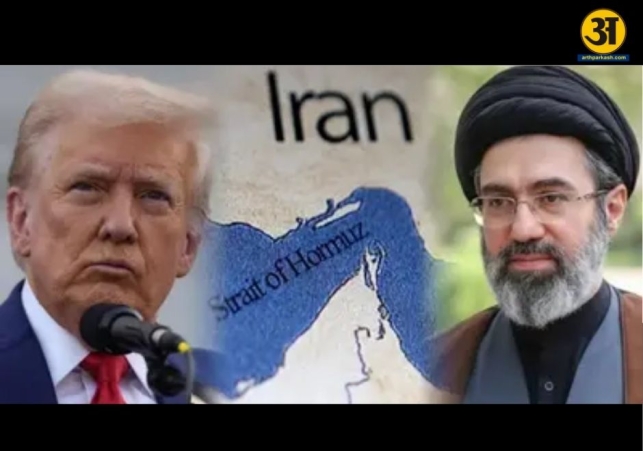
The nuclear issue is not the only subject on the table. Other concerns include reopening free shipping through the Strait of Hormuz and Iran’s support for regional armed groups such as Hamas and Hezbollah. Still, the nuclear dispute remains the most sensitive matter.
For the United States, preventing future nuclear risk is a top priority. For Iran, preserving sovereignty and national pride is equally important. That is why even small wording changes or timelines can become major obstacles.
Global markets are also watching closely. News of failed talks often raises oil prices because traders fear instability in the Middle East. Successful diplomacy, on the other hand, can calm markets and improve investor confidence.
Political observers say the gap between 20 years and five years is large, but not impossible to bridge. Negotiators may eventually explore a compromise, such as a phased agreement with strict inspections and gradual easing of sanctions.
At present, no fresh agreement has been announced. The White House has not confirmed another meeting, and Iranian officials have also remained cautious. However, the fact that both sides are still discussing options suggests diplomacy is not over.
The failed Islamabad talks show how difficult the US-Iran relationship remains. Both countries appear willing to negotiate, but they still disagree sharply on key issues. Until that gap narrows, a final settlement will remain out of reach.
For now, the world waits to see whether future talks can turn the current deadlock into progress, or whether tensions will rise again in the weeks ahead.
Related News